
How to Start Your Journey as a Real Estate Photographer From Starter to Professional: Essential Equipment for Real Estate Photographer
- Edwin Figueroa
- Jul 16, 2024
- 3 min read
Updated: Jul 22, 2024

Starter Equipment:
Camera: A mid-range DSLR or mirrorless camera such as the
or Sony Alpha a6000. These offer good image quality and manual controls necessary for real estate photography.
Lens: A wide-angle lens, like a Canon EF-S 10-18mm or Sony 10-18mm, is essential for capturing entire rooms and spacious layouts.
Tripod: A sturdy tripod to ensure sharp images in low light and consistent framing.
External Flash: An external flash like the Canon Speedlite 430EX III-RT or Godox TT600 to provide additional lighting in dim spaces.
Editing Software: Basic photo editing software such as Adobe Lightroom or Adobe Photoshop Elements to enhance images.
Intermediate Equipment:
Camera: Upgrade to a higher-end DSLR or mirrorless camera like the Canon EOS 90D or Sony A7 III, which offer better image quality and more advanced features.
Lens: A professional wide-angle lens, such as the Canon EF 16-35mm f/4L or Sony 16-35mm f/4, to capture high-quality images with minimal distortion.
Flash Setup: Multiple external flashes and wireless triggers for more flexible and dynamic lighting setups.
Advanced Editing Software: Adobe Photoshop for more complex edits, including HDR blending and correcting perspective distortions.
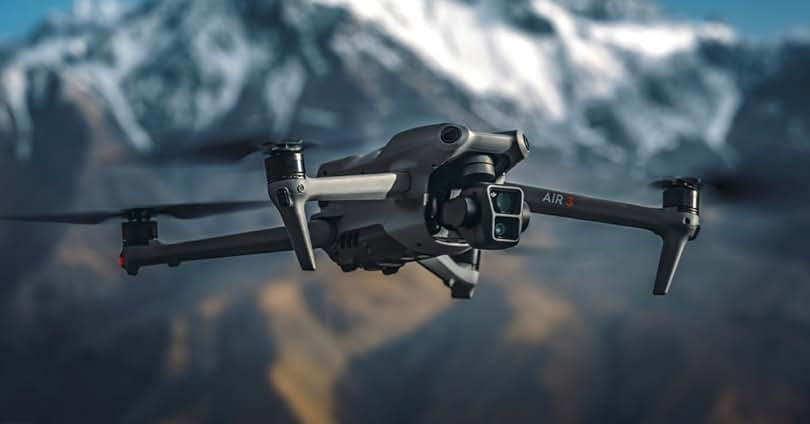
Drone: A drone like the DJI Mavic Air 2 for aerial photography, providing unique and compelling property views.

Professional Equipment:
Camera: High-end full-frame cameras like the Canon EOS R5 or Nikon Z7 II, offering exceptional image quality, dynamic range, and low-light performance.
Lens: Top-tier wide-angle lenses like the Canon RF 15-35mm f/2.8L or Nikon Z 14-24mm f/2.8 S for sharp, clear, and distortion-free images.
Lighting: Advanced lighting kits including softboxes, LED panels, and multiple high-output flashes for superior control over lighting conditions.
Stabilization Gear: Gimbal stabilizers for smooth video walkthroughs, such as the DJI Ronin-S or Zhiyun Crane 3.
Editing Software: Full suite of Adobe Creative Cloud applications, including Photoshop, Lightroom, and Premiere Pro for comprehensive photo and video editing.
Matterport Camera: A Matterport Pro2 3D camera for creating immersive 3D virtual tours, enhancing property listings with interactive experiences.
Professional Drone: A high-end drone like the DJI Phantom 4 Pro or DJI Mavic 3 for ultra-high-definition aerial shots and videos.
This range of equipment ensures that as you grow from a beginner to a professional real estate photographer, you can continually enhance the quality and breadth of your services.
Using and Practicing with Photography Equipment: From Starter to Professional Real Estate Photographer
Starter Equipment:
Camera Basics: Learn to operate your DSLR or mirrorless camera, focusing on manual settings (aperture, shutter speed, ISO).
Wide-Angle Lens: Practice capturing entire rooms and open spaces, emphasizing the property’s layout.
Tripod: Use a tripod for stability and sharpness, especially in low-light conditions.
External Flash: Experiment with an external flash to improve indoor lighting.
Editing Software: Start with basic edits in Adobe Lightroom, adjusting exposure, contrast, and white balance.
Intermediate Equipment:
Advanced Camera Features: Explore more advanced camera features and settings.
Professional Lenses: Use high-quality wide-angle lenses for sharper images and less distortion.
Lighting Techniques: Incorporate multiple external flashes and wireless triggers for better lighting control.
Drone Practice: Start practicing aerial shots with a drone, focusing on smooth movements and framing.
Advanced Editing: Move to more complex edits in Adobe Photoshop, including HDR blending and perspective corrections.
Professional Equipment:
Full-Frame Camera Mastery: Utilize high-end full-frame cameras, maximizing image quality.
Top-Tier Lenses: Use premium wide-angle lenses for professional-grade clarity and detail.
Comprehensive Lighting Kits: Employ advanced lighting kits, including softboxes and LED panels.
Gimbal Stabilizers: Practice using gimbal stabilizers for smooth video walkthroughs.
Matterport 3D Camera: Learn to create immersive 3D virtual tours with Matterport cameras.
Professional Drone: Master high-end drones like the DJI Phantom 4 Pro for ultra-high-definition aerial shots.
Practicing Tips:
Mock Shoots: Conduct practice shoots in various properties to refine techniques.
Feedback: Seek feedback from peers or mentors to improve your skills.
Portfolio Development: Continuously update your portfolio with your best work.
Stay Updated: Keep up with the latest trends and technologies in real estate photography.
Workshops and Courses: Attend workshops and online courses to further enhance your skills.
Warm regards,
Edwin Figueroa
Edwin Figueroa Photography
(561) 234-7311


